
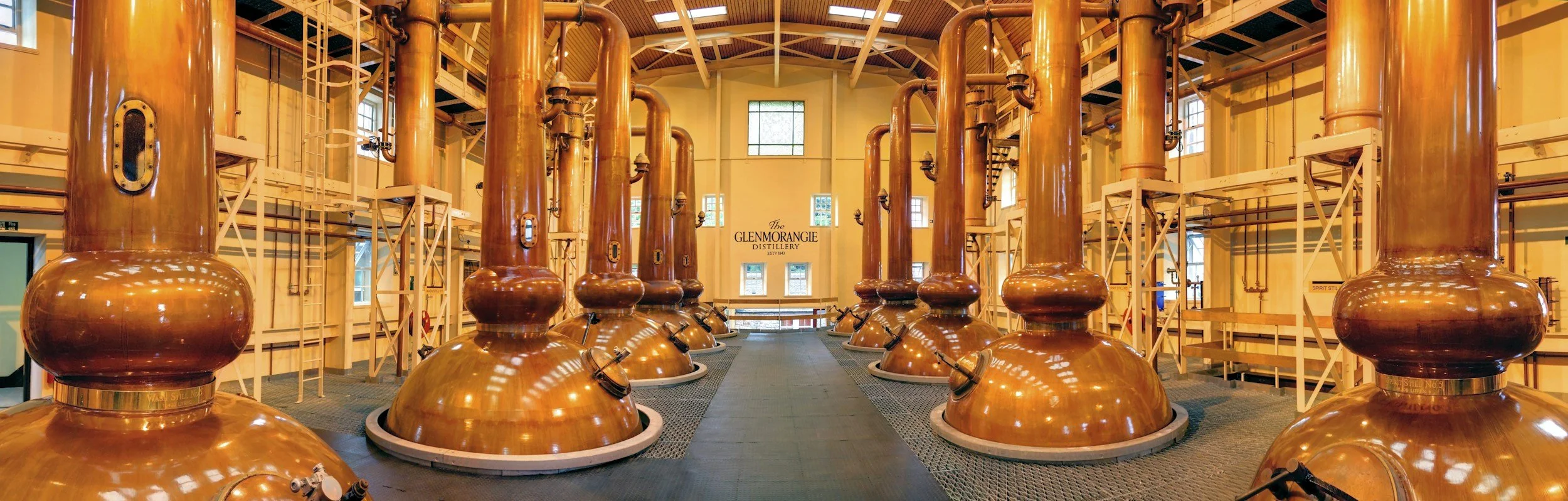
“If you’ve seen one distillery, you’ve seen them all!”
How many times have you heard this? If you’re like me, you’ve probably lost count because it’s a common saying. That’s because distilleries share a common problem. When you have roughly the same ingredients, processes, and apparatus as the distillery down the road, it’s no wonder that many spirit tourists get that feeling of déjà vu.
It can be a tricky conundrum to conquer. The common approach is to invest in storytelling, slick presentations, and swanky new foyers that have more glass than The London Gherkin! But such an approach is like cooking without a recipe. Past experience, gut feelings, and pure luck may make a good dish, but creating something that truly stands out requires understanding the principles behind it. As any great chef will tell you.
Hence, the answer may have less to do with adding information, features, or Harrison Ford, and more to do with understanding how people pay attention, interpret what they encounter, and remember what happened. Out of these memory is perhaps the most crucial because differentiation is dependent on how memorable things are.
The Distillery-Centric Approach
Distilleries often approach differentiation through the things that make them objectively different. One has unusually shaped stills. Another has a distinctive fermentation regime. A third has a long history, an unusual warehouse, or a particular approach to maturation.
These characteristics matter. But their existence does not guarantee that visitors will notice them, understand their significance, or remember them afterwards.
This is because such differentiating factors come from a distillery-centric perspective. That is to say, they place the distillery first by looking at the story, the features, and the products. The question asked is along the lines of “how do we show our visitors the uniqueness of what we have here?”
However, to be truly effective, we need to rephrase the question by taking a step back.
The Visitor-Centric Approach
Once we place the visitor at the centre of the conundrum, the questions begin to look a little different. We shift from thinking about distillery features to considering what makes people tick, what wags their tails, and why some things become memorable whilst others join the quagmire of blurred experience.
This is what I mean by understanding the underlying principles of differentiation.
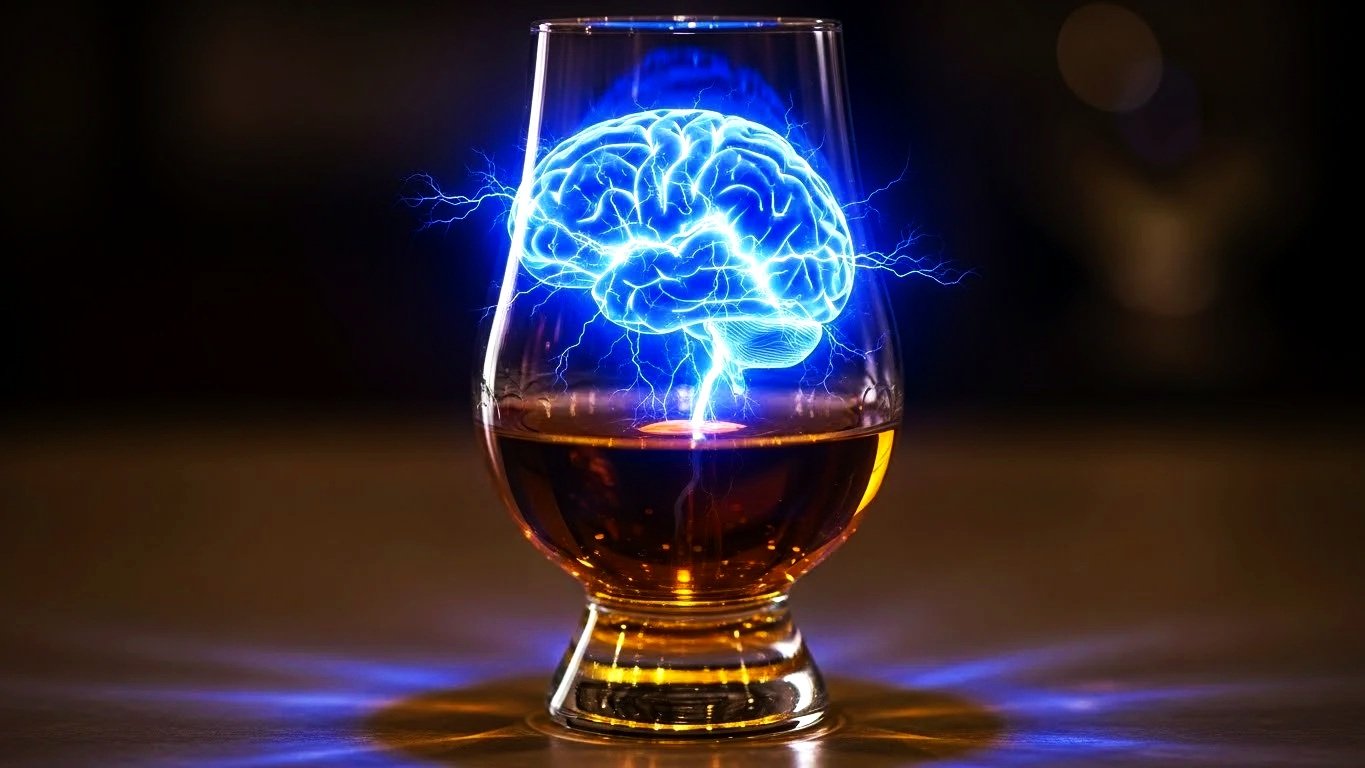
Rather than it being a case of best guesses and personal aesthetic judgement, the research is available to demonstrate the role of important neurotransmitters and hormones. These are the chemicals that make us feeling a certain way about things. If you have a favourite restaurant but you cannot pinpoint exactly why you love it so much, it’s the release of specific chemicals that create the feeling within you.
For example:
Dopamine drives motivation, anticipation, reward, and the desire to seek or achieve something. It is most often discussed in the context of motivation and customer behaviour.
Oxytocin supports trust, connection, belonging, and social bonding. It plays a central role in how visitors feel connected to not just your tour guide but your brand also.
Serotonin is connected to confidence, status, recognition, and belief in oneself. It’s an important player can be supported by feeling respected or valued.
Cortisol gets a bad rep as the stress hormone but actually it can strengthen memories for emotionally significant events, but effects depend on dose, timing, and whether the event is emotional or neutral.
Viewing distillery tour differentiation through such a lens rather shifts the perspective and the questions we need to answer. No longer are we placing the distillery’s attributes first. Rather, we are peeking into the minds of your visitors to understand what is shaping memorability.
Naturally, the question now shift towards “how do we achieve the desired response within our visitors?”
Creating your portal
One of the most overlooked yet critical phases of the tour is not the shiny stills, the warehouse, or the tasting. Instead Disney’s concept of a ‘portal’.
A portal is a slow transitional space that shifts people into the right mindset, expectations, and narrative before the main experience begins. It connects with a key behavioural science principle called priming. Essentially, it’s setting the stage for the kind of experience you want people to have.
It’s important because a portal moves people from one mental context into another and sets expectations for what is about to happen. It creates a narrative metaphor of going somewhere different, helping visitors understand where they are in the process and what they need to do.
For a distillery visitor centre, the portal is the gap between ordinary travel mode and the distillery’s world. Guests may arrive from a car park, a coach, a busy road, or another tourist site; without a transition, they bring that mental state directly into the tour But most often, the transition is nothing more than hanging about in the distillery shop whilst the other visitors booked on the tour arrive. From a psychological perspective attention is directed to who has come in through the door and when will we start.
A portal should answer three questions before the tour formally starts:
Where am I? Rather than being the café or shop; it needs to be the distillery’s world.
What kind of experience is this? — Curious, artisanal, luxurious, rugged, scientific, communal, or playful.
What is my role? — Observer, taster, explorer, apprentice, guest or participant in a social ritual.
A good distillery portal does not need to be expensive. It needs to be intentional, gradual, and consistent with the brand story. The transition itself shapes sets the mindset of your guests, placing them in an optimal frame for the forthcoming tour. It’s this mindset that will stay with them throughout, creating a mental lens through which everything that follows is perceived, absorbed, and remembered.
However, while setting the right portal is central to the overall experience, it is literally and metaphorically just the start. Through implementing behavioural science principles to your tour, you can create an experience that goes above and beyond the norm. And the most beautiful part is that such principles work with what you already have at your distillery, and therefore, how you implement them will be unique to your brand.
This is why we have a dedicated workshop for visitor centre teams that delves deep into the principles of tour differentiation. Rather than providing teams with a cookie cutter approach that is the same as the distillery down the road, it gives teams the tools to make their own changes and make modifications as they go. You can find out more about this in-person workshop here: The Science of Unforgettable Visitor Experiences.
The commercial question is not whether visitors enjoyed themselves
Distillery tourism operates in a competitive environment where visitors have limited time, money and attention. They may visit several distilleries during one trip, or one day even, compare experiences through reviews and recommendations, and decide whether another tour is worth booking.
If every experience is evaluated against the same familiar reference point, individual distilleries risk competing primarily on convenience, reputation, price, or the appeal of the whisky itself. That is not necessarily a bad outcome. But it leaves potentially valuable differences underused.
However, imagine if you could create a memory in someone so powerful that each time they raise a glass to their nose they recall that memory. Or one simple thing that resonated so powerfully they feel the urge to tell the whole world about it. Such memories are created in the minds of visitors all the time. The choice you have is whether to understand the principles behind those memories and intentionally create them. Or leave it to chance and hope for the best.