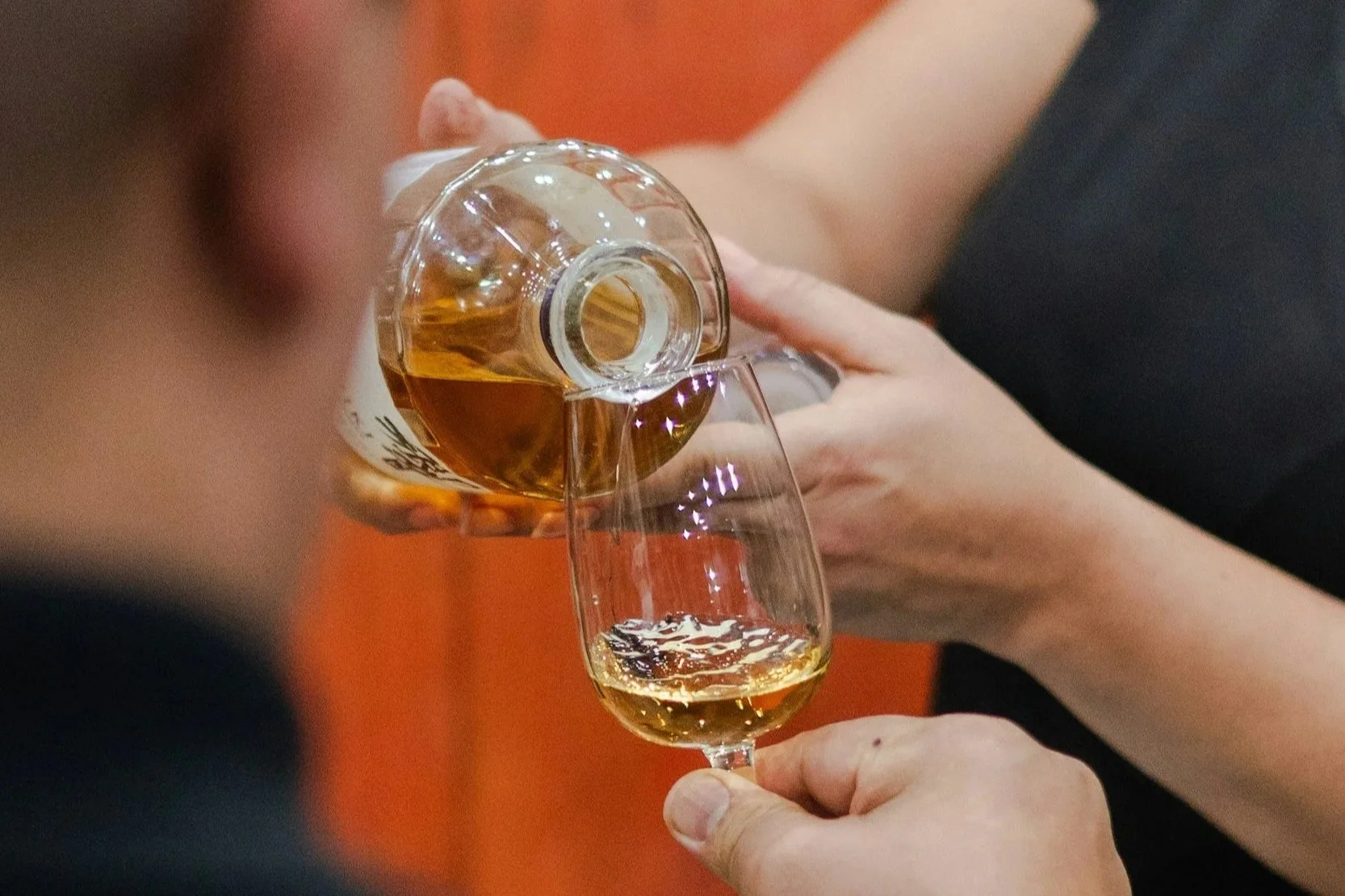
Front-End Team Training
Empowering Teams To Better Understand and Communicate Flavour
-
Your People Are The Brand
Flavour is one of the most important parts of the food and drink experience, yet it's surprisingly difficult to explain.
People experience flavour differently, struggle to put sensory experiences into words, and bring their own expectations, preferences and experiences to every interaction. What one guest describes as fruity, another might perceive as floral or sweet.
For consumer-facing teams, this creates a challenge. How do you explain something so subjective? How do you help guests understand what they're tasting, make recommendations that resonate, and communicate the qualities of a product without overwhelming them with technical language or tasting notes?
Too often, teams rely on memorised descriptions, familiar terminology, and product knowledge without fully understanding how flavour is actually experienced.
The result is missed opportunities to create connection, build confidence, and make each guest interaction more meaningful.
-
Confidence Builds Trust
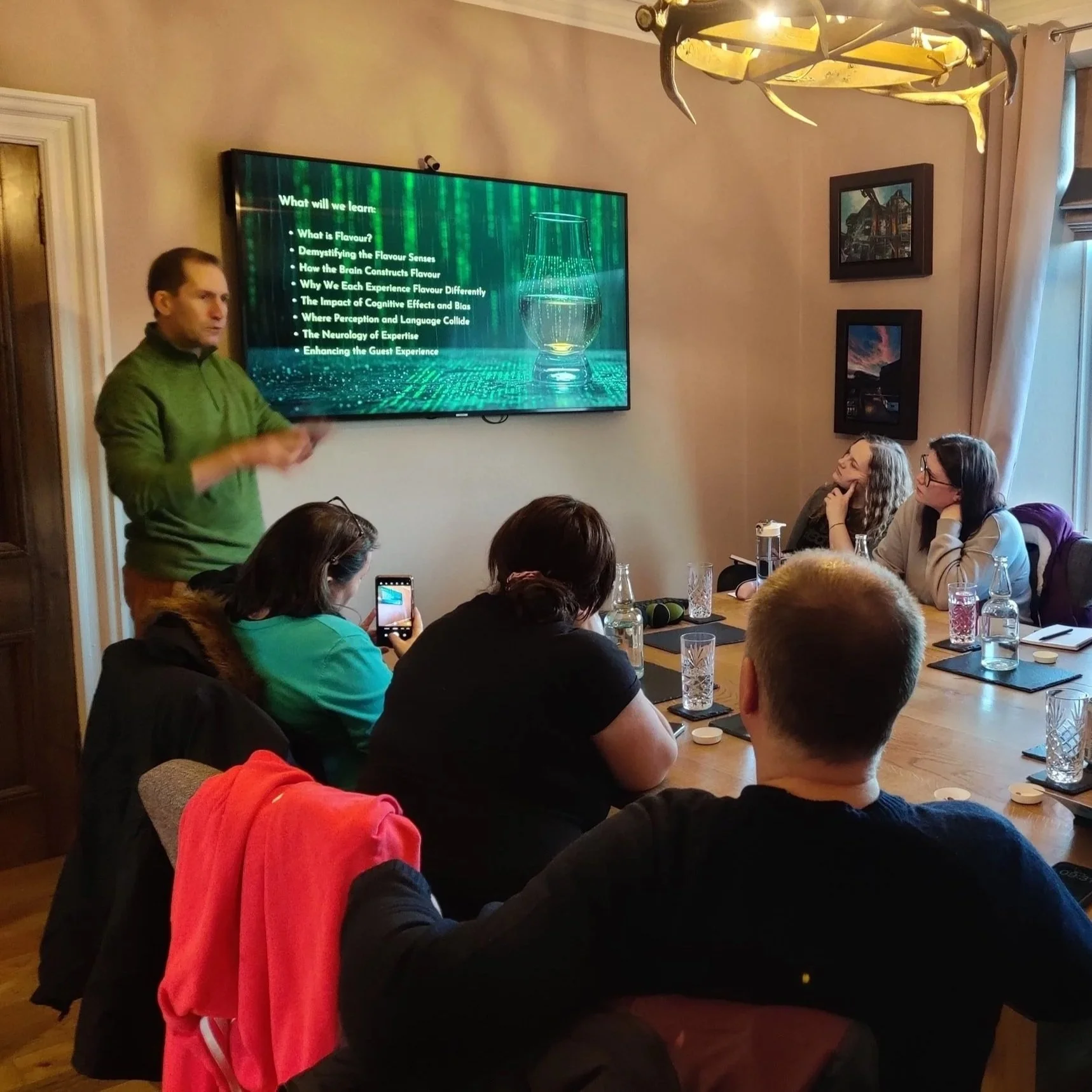
The Sensory Advantage helps consumer-facing teams understand flavour from the perspective of both the product itself and the person experiencing it.
Drawing on sensory science, psychology, and neuroscience, this workshop explores how flavour works, why people perceive it differently, and why translating sensory experiences into language can be so challenging.
We give teams the knowledge and practical tools to interpret flavour, communicate it in accessible language, and adapt their approach to different people.
Rather than relying on prescribed tasting notes or technical descriptions, participants learn how to make flavour more approachable, help guests articulate their own experiences, and make recommendations that feel relevant and personal.
Because the value of a product isn't just in what it tastes like. It's also in how people understand, experience, remember it, and share it in the future.
-
What Will Your Team Learn?
By the end of the workshop, participants will understand how to:
Explain what flavour is and how our different senses work together to create it.
Understand why smells and flavours can be difficult to describe, and why tasting terminology can sometimes create confusion.
Recognise why people experience the same product differently, including the influence of genetics, expectations, culture, and context.
Understand how fatigue, sensory adaptation, and the surrounding environment influence flavour perception.
Recognise the different motivations, expectations, and preferences people bring to a tasting or dining experience.
Break down complex flavour experiences into simpler, more approachable components.
Develop a more flexible vocabulary for interpreting and communicating flavour.
Help guests articulate their own sensory experiences without prescribing what they should perceive.
Translate technical product knowledge into accessible, engaging language.
Make more relevant and meaningful product recommendations.
Build trust, confidence, and stronger connections through better sensory conversations.
Understand how interactions and sensory experiences contribute to the memories guests take away.
-
Who Is This Workshop For?
This workshop is designed for consumer-facing teams who want to communicate flavour more effectively and create better experiences around food and drink. It’s designed to build confidence in providing guests with the most meaningful and memorable experiences.
It's particularly relevant for:
Distilleries and breweries: Tour guides, tasting hosts, visitor centre teams.
Brand ambassadors: Those on the front-line of building brand loyalty, trust, and creating engaging touch points for international audiences.
Wineries and vineyards: Tasting room hosts, cellar door teams, and wine educators.
Restaurants and hospitality: Front-of-house teams, sommeliers, food and beverage managers and service staff.
Food and drink brands: Brand ambassadors, customer experience teams and consumer engagement specialists.
Tasting and retail environments: Product specialists, sales teams and anyone helping consumers explore and choose products.
Whether you're introducing someone to a product for the first time or helping an experienced enthusiast discover something new, the ability to understand and communicate flavour can transform the interaction.