
The Science Behind Festive Flavours
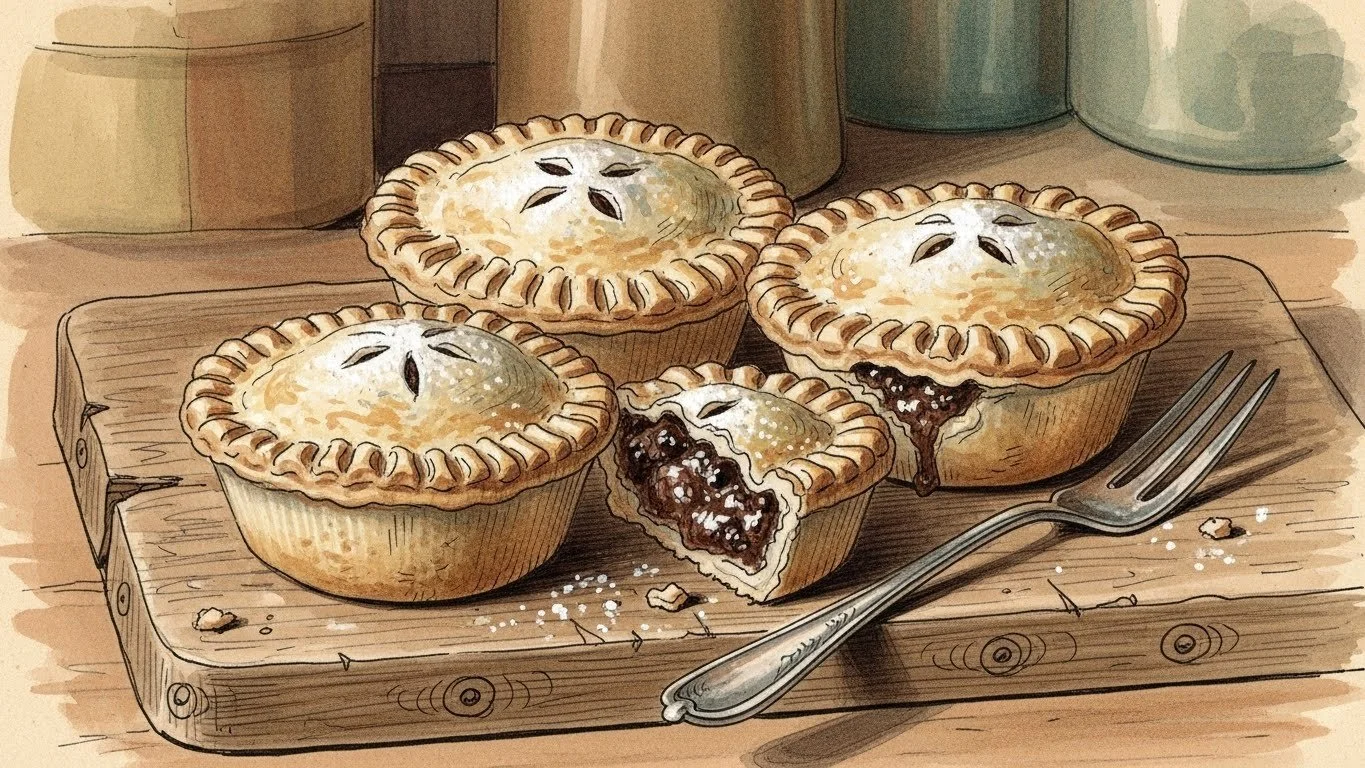
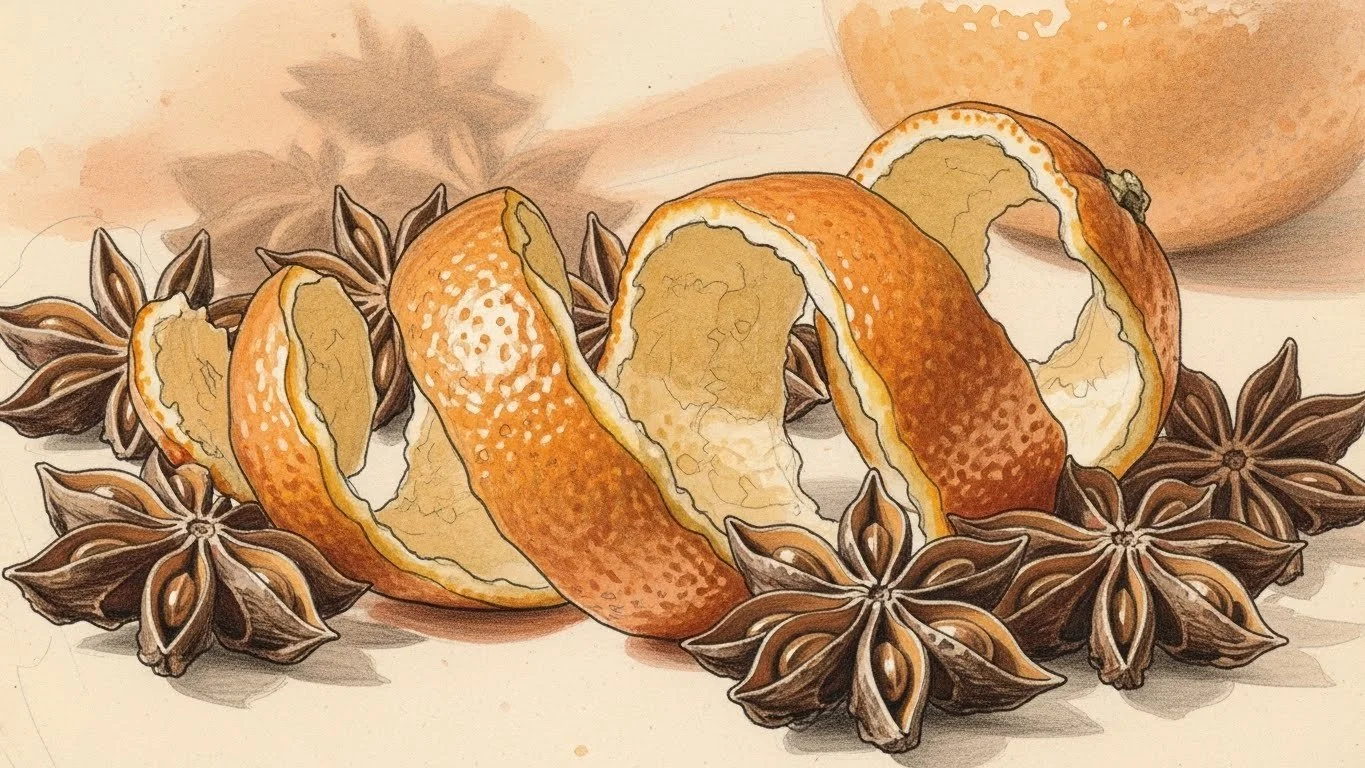
The festive season, the holiday period, the time to be jolly – whatever you call it the month of December has some of the strongest flavour associations in Western societies. Cinnamon, cloves, nutmeg, orange, ginger, vanilla – just the mere mention of such aromas is enough to get your jingle bells tingling. In fact, for many, such traditional flavours are simply non-negotiable once the fairy lights go up. But why?
Flavour associations are created very early on in our development. As a child, the festive build-up is unbearably exciting, and it comes adorned with all manner of emotionally laden treats and gifts. Hence, emerging research from psychology, sensory science, and consumer behaviour reveals that the allure of festive flavours is rooted deeply in the human psyche. It’s about comfort, tradition, and the power of nostalgia.
The Power of Food-Evoked Nostalgia
Nostalgia, traditionally defined as a sentimental longing for the past, has profound effects on human emotion and behaviour. Food is particularly potent in triggering nostalgic memories. In a study conducted by Batcho et al (2022), participants exposed to foods associated with personal memories experienced a significant increase in positive affect and feelings of social connectedness. These findings suggest that familiar seasonal flavours do more than satisfy taste, they reconnect us to the past, but more importantly they are foundational for strengthening social bonds.
This phenomenon, often referred to as food-evoked nostalgia, is especially relevant in the context of Christmas. The flavours of cinnamon, ginger, or roasted chestnuts are not only familiar sensory experiences but are also laden with cultural and familial significance. Food becomes a conduit for memory, and the act of consumption transforms into a ritual that reaffirms identity and social belonging. In the UK, 61% of adults insist on roast turkey for Christmas day (Tesco Christmas Trends Report 2024).
Temporal Landmarks and Seasonal Consumption
December, and particularly the festive period, functions as a temporal landmark, that is, a psychologically significant point in time that encourages reflection on the past and anticipation of the future. Research by Lin et al. (2024) demonstrates that temporal landmarks trigger nostalgic consumption behaviours, particularly when individuals feel a heightened need for social connection or belonging. This helps explain why people gravitate toward traditional Christmas flavours and products during December. The season itself primes the brain to seek comforting, familiar experiences.
Moreover, seasonality awareness can amplify nostalgia. A study examining consumer attitudes toward seasonal produce found that individuals who are more attuned to the rhythm of the seasons report higher nostalgia when engaging with seasonal foods (Choi et al, 2022). This insight has direct implications for product development because aligning offerings with seasonal expectations can enhance their emotional resonance and consumer appeal.
Christmas Triggers: Smell, Taste, and Memory
The connection between sensory cues and nostalgia is particularly pronounced with smell and flavour. A review by Herz et al (2023) found that olfactory and gustatory stimuli often produce more emotionally intense and vivid memories than visual or auditory cues. Part of the reason is that smells, whether from sniffing or consuming, are processed in the limbic system, an ancient region of the brain that also regulates emotion and memory.
Hence, smells have a direct and rapid relationship with emotional responses. The Proust Effect describes how sensory experiences can spontaneously trigger autobiographical and involuntary memories. The involuntary component is key, it explains how a simple aroma can recall a long-forgotten memory in an instant, and with it, an emotion too.
The effect extends beyond food and drink too. The smell of wood smoke from a stove. The fresh scent of fir needles and sticky sap. Even the distinct gunpowder-like whiff of Christmas crackers. These are all highly evocative and emotionally rich odours that are deeply connected to autobiographical memories.
For the food and drinks industry, this underscores the importance of sensory fidelity in seasonal products. Replicating the authentic aroma of mulled spices or the rich taste of a classic Christmas pudding is not merely a matter of flavour chemistry, it taps into our emotional memory, increasing engagement and satisfaction.
Nostalgia is a Marketing Tool
The appeal of nostalgic reaches past personal enjoyment to significantly influence consumer behaviour, something that is leveraged to great effect by brands such as Coco-Cola, Starbucks, and Aldi. Research on nostalgia and consumer psychology indicates that products evoking nostalgia can enhance willingness to purchase, brand loyalty, and emotional attachment to products (Wildschut et al, 2022).
A study by Spence et al (2005) demonstrated that ambient cues such as scent and music in a retail environment can amplify the emotional response to seasonal products. When combined, olfactory cues, visual aesthetics, and auditory signals create a multi-sensory experience that deepens the nostalgic impact.
For product developers and marketers, this highlights the strategic value of integrating sensory cues with branding. Limited edition Christmas offerings, seasonal packaging, and scent marketing are not just aesthetic choices, they are evidence-based strategies to maximise consumer emotional engagement.
Psychological Benefits of Nostalgia
Beyond influencing purchasing behaviour, nostalgic consumption provides psychological benefits. For example, food-evoked nostalgia has been shown to enhance positive affect, reduce stress, and foster feelings of social connectedness (Batcho et al 2022). These effects are particularly relevant during the holiday season, which can coincide with increased social and emotional stress. By offering products that evoke nostalgic memories, brands not only satisfy taste preferences but also deliver emotional comfort, creating a deeper, more meaningful consumer relationship.
Additionally, nostalgia can act as a buffer against uncertainty and anxiety. We tend to seek out comforting, familiar experiences during times of transition or stress, and the end-of-year period represents a natural temporal transition that heightens this effect. Festive flavours, therefore, are more than seasonal indulgences; they are emotionally adaptive experiences that address our psychological needs.
By drawing past experiences into present awareness, nostalgia helps us create meaning in our lives. It does this mainly by strengthening feelings of social connectedness but also by reinforcing self-continuity, the feeling that one’s past and present selves are linked. This, in turn, supports the pursuit of personal goals (Routledge et al, 2024). Overall, nostalgia enhances life’s sense of meaning, guards against existential insecurity, and promotes emotional balance.
Nostalgia Ain’t What It Used To Be
Just when you thought you had festive traditions all figured-out, along comes a trend that makes us take notice – newstalgia. Newstalgia refers to the blending of nostalgia and novelty, a longing for the familiar past that is refreshed or reimagined through something new. In the context of festive flavours, newstalgia helps explain why people are drawn to holiday foods that feel both comfortably traditional but also updated with a modern twist.
Classic seasonal tastes like cinnamon, nutmeg, clove, vanilla and ginger already carry strong emotional and cultural memory traces. They evoke warmth, family rituals, and past celebrations. When brands introduce modern twists on these flavours, such as spiced-caramel drinks, gingerbread-inspired desserts, or innovative takes on mince pies, they activate nostalgia’s comforting effects while offering the excitement of something novel.
This combination heightens emotional engagement and can make festive flavours feel more special, indulgent, or meaningful than they otherwise would. In essence, newstalgia amplifies the appeal of seasonal tastes by allowing people to reconnect with cherished holiday memories while adding contemporary expressions that create a sense of ownership and self-expression.
Conclusion
The widespread appeal of festive flavours in December is far from coincidental. It is rooted in the intricate interplay between sensory perception, memory, and emotional well-being. Food-evoked nostalgia, triggered by taste and aroma, reconnects us to meaningful experiences, traditions, and social bonds. Temporal landmarks, like the end of the year, amplify this effect, while multi-sensory cues and thoughtful marketing strategies enhance the consumer experience.
For food science and drinks industry professionals, these insights highlight the strategic importance of sensory fidelity, seasonal timing, and emotional resonance in product development and marketing. Understanding why we crave festive flavours goes beyond taste, it taps into memory, emotion, and identity, offering a unique opportunity to engage people in ways that are both meaningful and commercially effective.
References
Batcho, K. I. (2022). Food-evoked nostalgia: Emotional and social implications of nostalgic food consumption. University of Southampton.
Lin, L., Wang, S., & Chen, H. (2024). Temporal landmarks and nostalgic consumption: The role of the need to belong. Behavioral Sciences.
Choi, J., & Kim, H. (2022). Nostalgia evocation through seasonality-conscious purchasing behavior: An online survey. Scientific Reports.
Herz, R. S., et al. (2023). The Proust effect: Scents, food, and nostalgia. Food Quality and Preference.
Wildschut, T., et al. (2022). Nostalgia and consumer behavior: A review of theoretical and empirical research. Frontiers in Psychology.
Spence, C., Puccinelli, N., Grewal, D., & Roggeveen, A. (2005). It’s beginning to smell (and sound) a lot like Christmas: The interactive effects of ambient scent and music in a retail setting. Journal of Retailing.
Routledge, C., Wildschut, T., Sedikides, C., & Juhl, J. (2024). Nostalgia: An Impactful Social Emotion. [Title of Article]. Journal of General Psychology.