
Processing Fluency: How to Enhance the Visitor Experience

Anyone who seeks to enhance visitor experience can learn a great deal from whisky distillery visitor centres because they offer an emotive portal into brand immersion. They play a crucial role in building loyalty, trust, and lifelong advocacy; the holy trinity of experiential marketing.
There is usually a still house to explore, a maturation narrative to follow, a tasting to savour, and a retail space where guests can take a piece of the experience home. Heritage, provenance, skill, and authenticity form the backbone of most tours. On paper, the ingredients appear remarkably similar across the industry.
Yet the outcomes are not.
Some distillery visits linger vividly in the memory. Visitors leave feeling inspired, confident in the brand, and eager to buy. Conversely, others, despite beautiful buildings, great teams, and excellent whisky, feel oddly forgettable. And in the worst cases, this leads to visitor centres quietly closing their doors.
What explains this difference?
One of the least talked about, yet crucial drivers lies in how easily the brain processes the visitor experience.
This is where the concept of processing fluency becomes powerful. Drawn from cognitive psychology and neuroscience, it provides a useful lens for understanding why some environments feel instinctively enjoyable and persuasive, while others create subtle friction that undermines engagement.
If you there’s a restaurant, bar, or attraction you always go back to but can’t put a finger on why, keep reading to understand the science that may be behind it.
What is Processing Fluency?

Processing fluency refers to the ease with which the brain can interpret and integrate information.
The brain consumes a great deal of energy, so if it can operate more efficiently, it will. Hence it likes to take short cuts and apply rules-of-thumb. So when something is easy to process, we experience it as inviting, comfortable and trustworthy. When something requires effort, even in small ways, the brain interprets this as friction. The result is avoidance through reduced enjoyment and lower perceived credibility.
This phenomenon has been demonstrated repeatedly in cognitive psychology. Humans consistently prefer stimuli that are easier to process, e.g. clearer typography, simpler messages, more intuitive environments. These preferences extend beyond aesthetics. They influence judgments of quality, trustworthiness, and even value.
In other words, ease feels good, and the brain interprets that positive feeling as a signal that something is well designed or high quality.
Within a distillery visitor centre, this principle quietly shapes every moment of the experience. From the clarity of signage to the logic of the tour route, from tasting language to the pacing of storytelling, visitors are constantly processing information. When that process feels smooth and intuitive, the entire brand benefits.
When it doesn’t, the experience becomes subtly effortful.
Cognitive Ease Will Enhancee the Visitor Experience
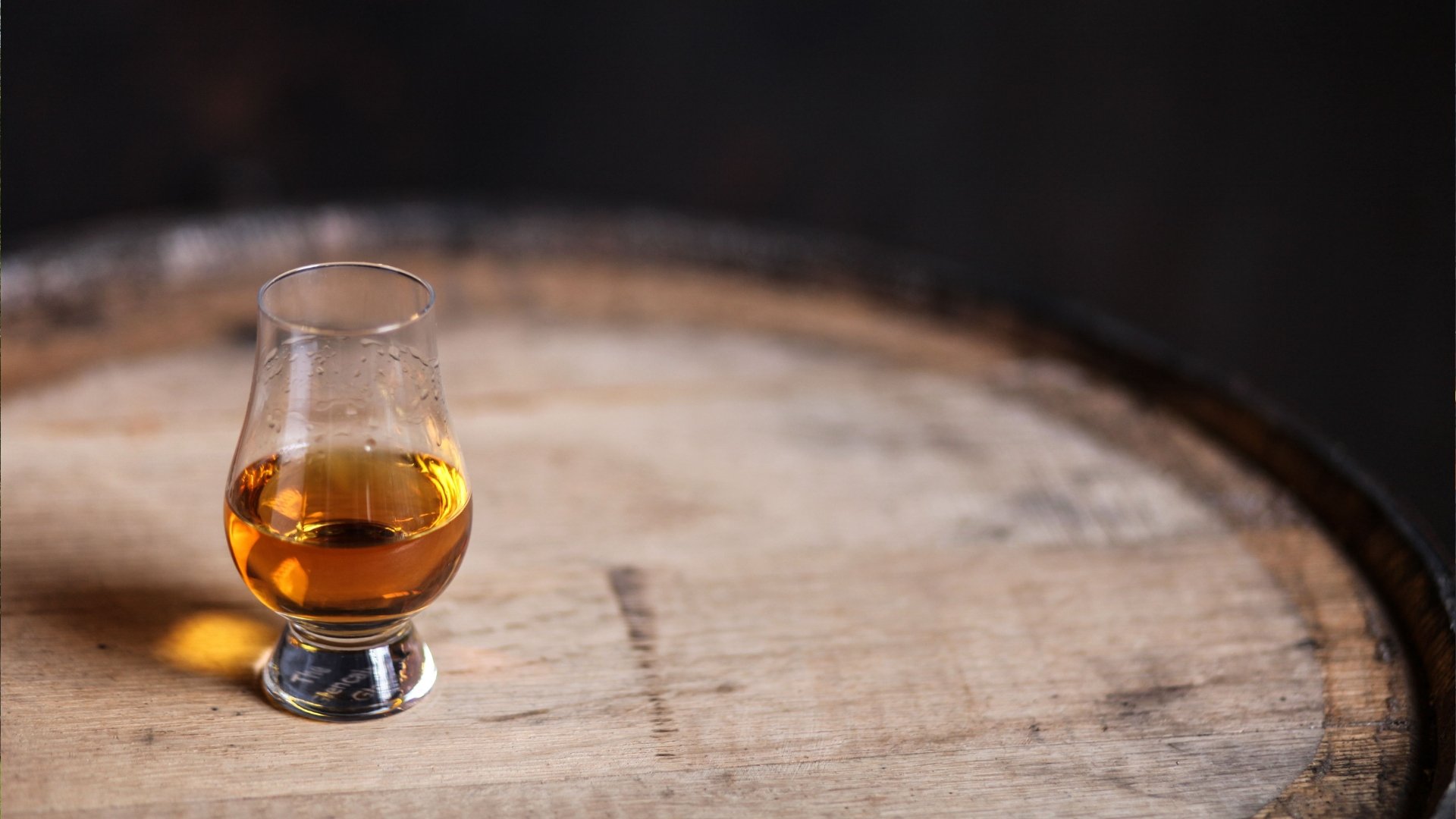
A visitor centre is not just a building. It is a sequence of cognitive decisions.
Visitors are continuously asking small questions:
· Where do I go next?
· What should I pay attention to?
· What does this mean?
· What am I expected to do here?
Every time the environment answers these questions clearly, cognitive load decreases. When the answers are unclear, the brain must work harder.
The most successful visitor centres design for cognitive ease, allowing guests to focus their attention on the whisky and the story rather than on navigating the environment.
Three dimensions of fluency are particularly important.
1) Spatial Fluency: Making Movement Intuitive
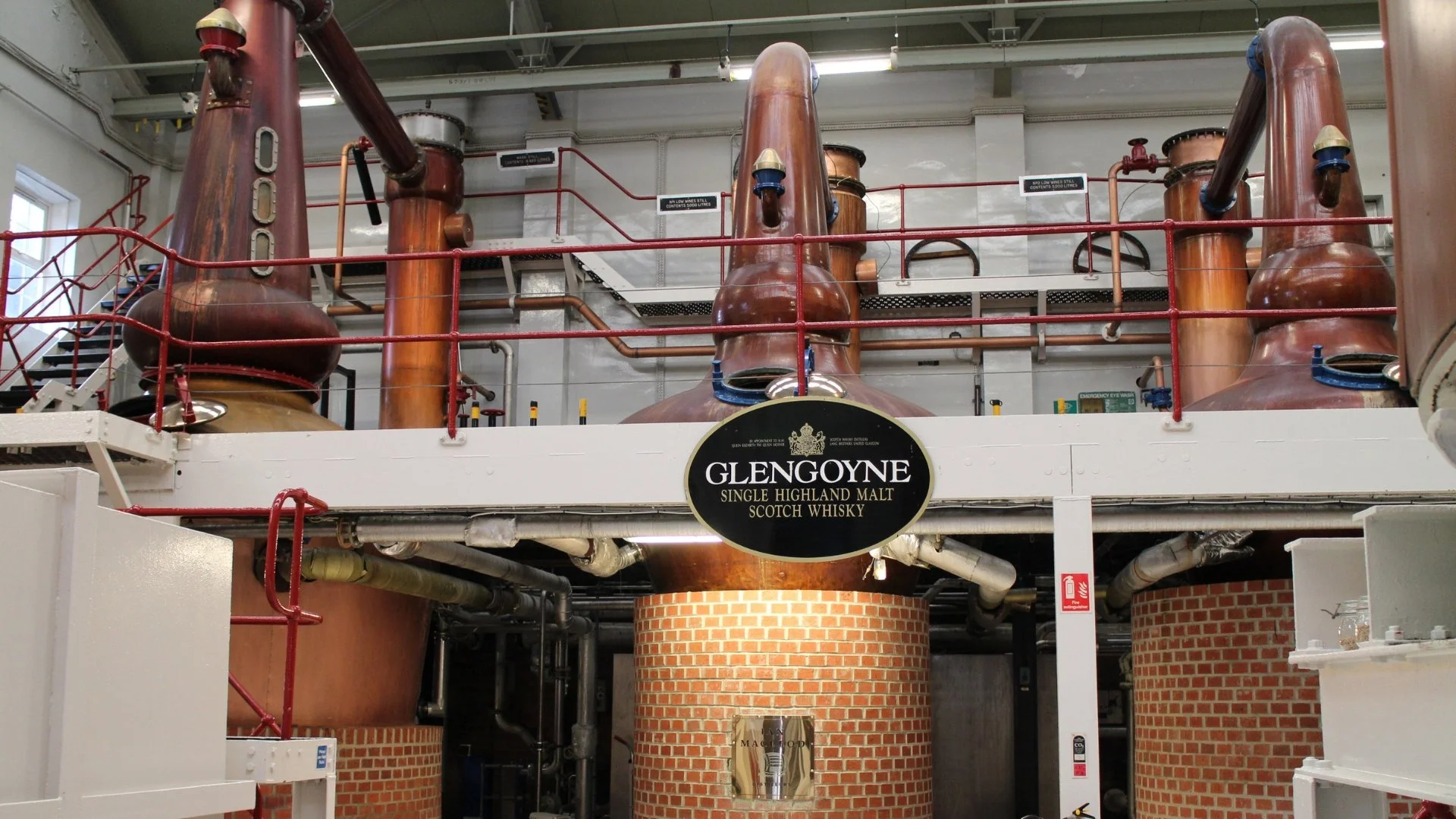
The physical layout of a visitor centre strongly influences how visitors process the experience.
A well-designed space gently guides people through the narrative without requiring conscious effort. Pathways feel obvious, transitions feel natural, and the sequence of the tour unfolds logically.
Clear spatial flow often follows the same narrative structure that whisky itself does: from raw materials, through production, into maturation, and finally into tasting and retail. When this sequence aligns with physical movement, the story becomes easier for the brain to follow.
Problems arise when the spatial journey becomes confusing. Overcrowded rooms, unclear transitions between stages of the tour, or poorly placed displays can interrupt the visitor’s mental map of the experience.
When visitors must constantly ask themselves where to go next, their attention shifts away from the brand story and toward solving navigation problems. In contrast, when the environment flows effortlessly, visitors devote their attention to absorbing the narrative, engaging with the whisky, and forming lasting impressions. Naturally, there are constraints.
Most Scottish distilleries were built at a time when pilgrimage tourism wasn’t even on the horizon. They were designed for the industrial production of whisky. Let us not forget that it wasn’t until the 1970’s that single malt began being promoted as a product category, and it was considerably later that distilleries began welcoming their first visitors. Hence, many distilleries must work with what they have, which is rarely ideal. But there’s one thing all distilleries can control: visual fluency.
2) Visual Fluency: Communicating in an Instant
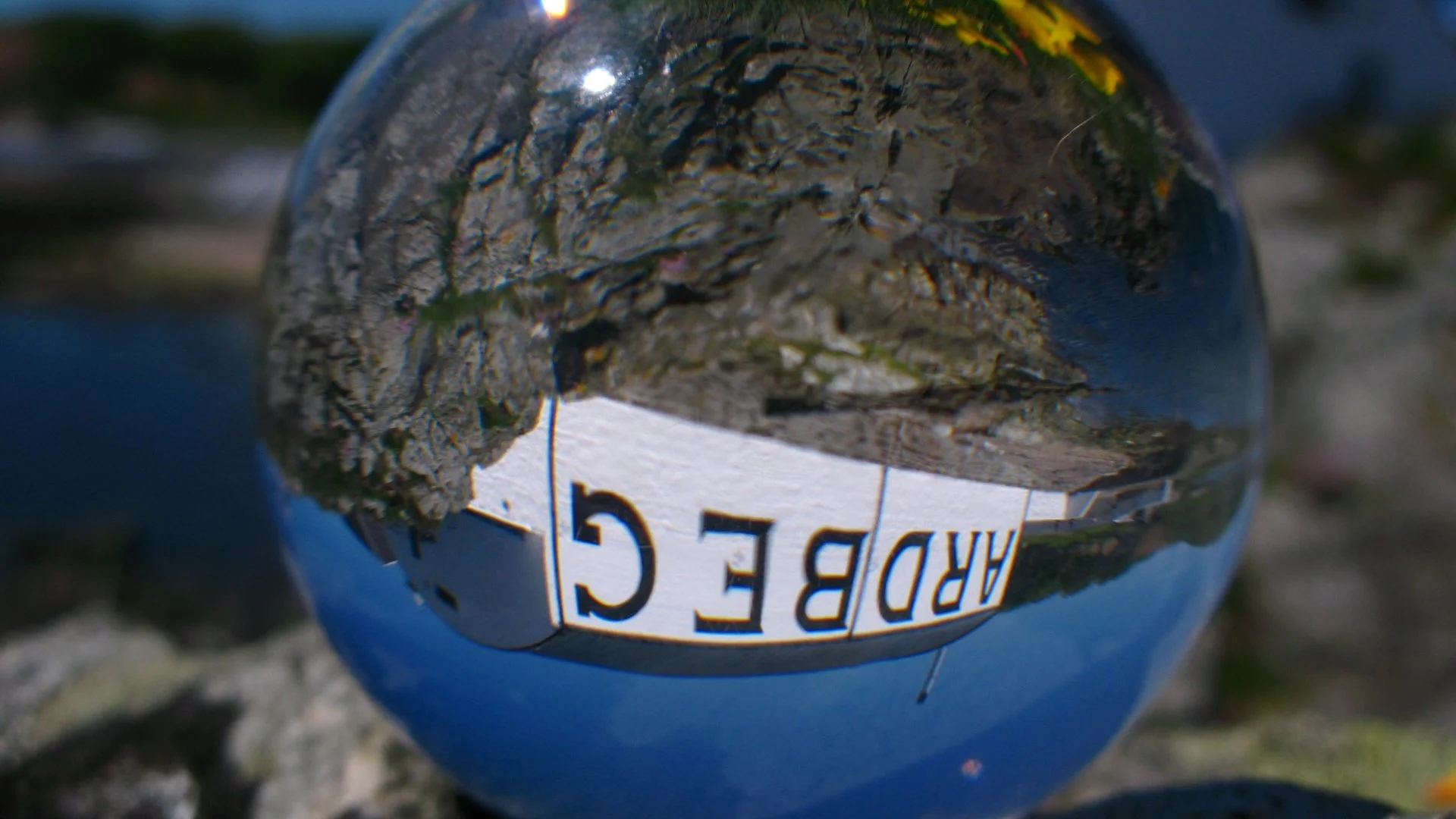
The human brain processes visual information extraordinarily quickly. Within milliseconds, it evaluates clarity, structure and meaning. It’s critical to understand because, as the saying goes “first impressions count”. Thet frame the guest’s mindset which will influence how they perceive everything from that moment onwards.
For visitor centres, this makes visual fluency a powerful design tool.
Signage, typography, colour coding and iconography should help visitors orient themselves instantly. Consistency is key. When visual systems repeat predictably throughout the environment, the brain learns the pattern and processes information more efficiently.
Tasting notes also benefit from visual clarity. Overly technical descriptions can slow processing and create unnecessary effort. Shorter, vivid descriptors are easier to grasp and far more memorable. In addition, many people’s brains are not wired to identify individual flavours and tasting notes can seem overwhelming. In such instances a simple ‘it tastes good vs it taste bad’ assessment is all that is required.
Moments of emphasis also matter. Highlighting key elements such as a signature whisky, an unusual cask type, or striking maturation gives the brain clear signals about what deserves attention.
Every effortless glance reinforces the sense that the brand is polished, thoughtful and well crafted.
3) Linguistic Fluency: Making Stories Memorable
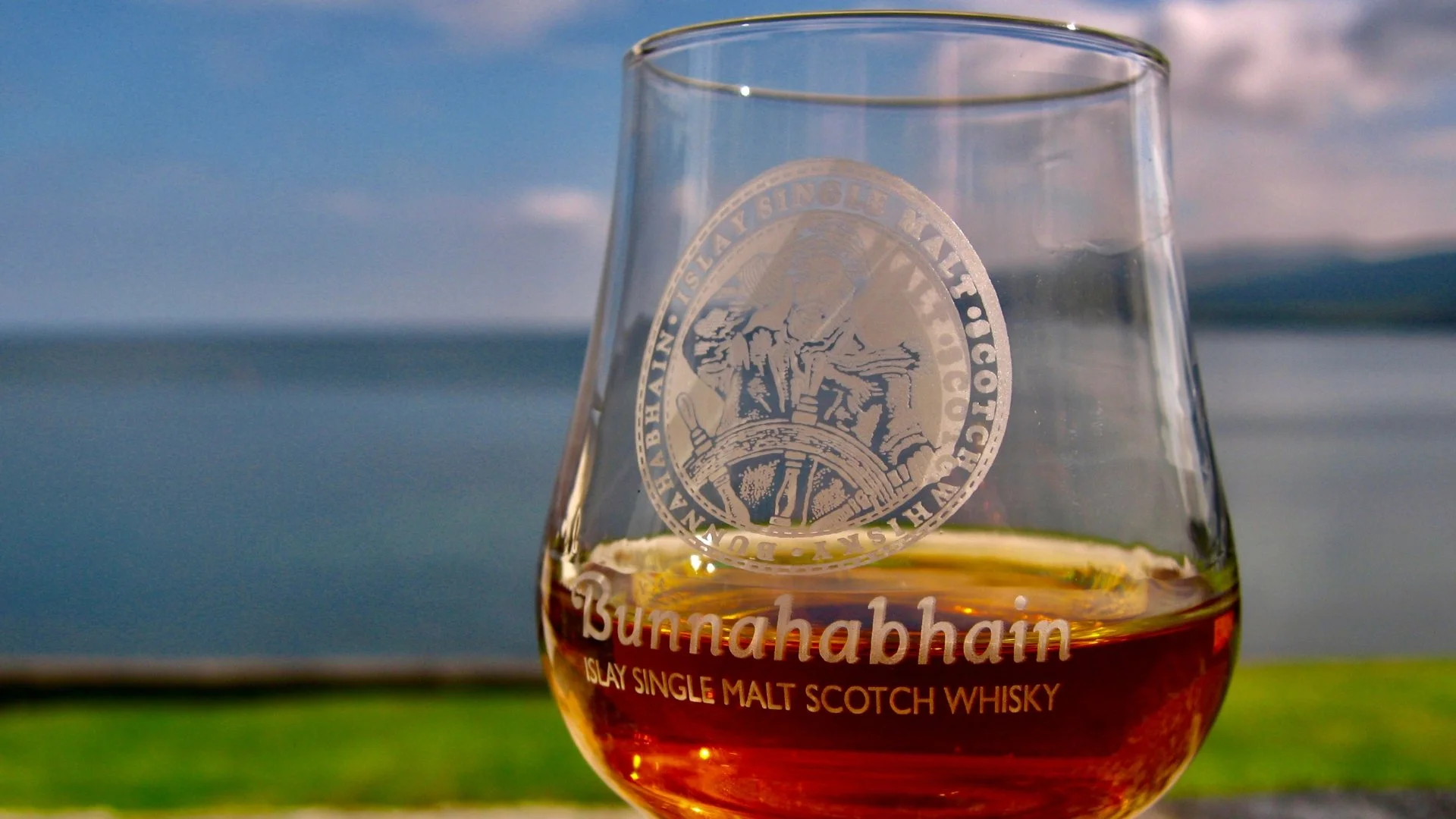
Language plays a crucial role in shaping how visitors remember a distillery.
Storytelling is central to whisky tourism, but stories that are dense with technical terminology can unintentionally increase cognitive effort. When visitors struggle to decode language, they retain less of the message.
Fluent language works differently. It uses clear structure, vivid imagery and concise explanations to anchor information in memory.
For example, describing maturation in terms of how wood ‘breathes’ or how flavours ‘develop slowly over time’ allows visitors to form mental pictures. These images are easier for the brain to store and recall later.
When linguistic fluency is high, visitors not only remember the story more clearly, they also feel more confident in their understanding of the brand.
Confidence, in turn, drives purchase behaviour.
The Social Dimension: Avoiding the Herded Visitor Effect
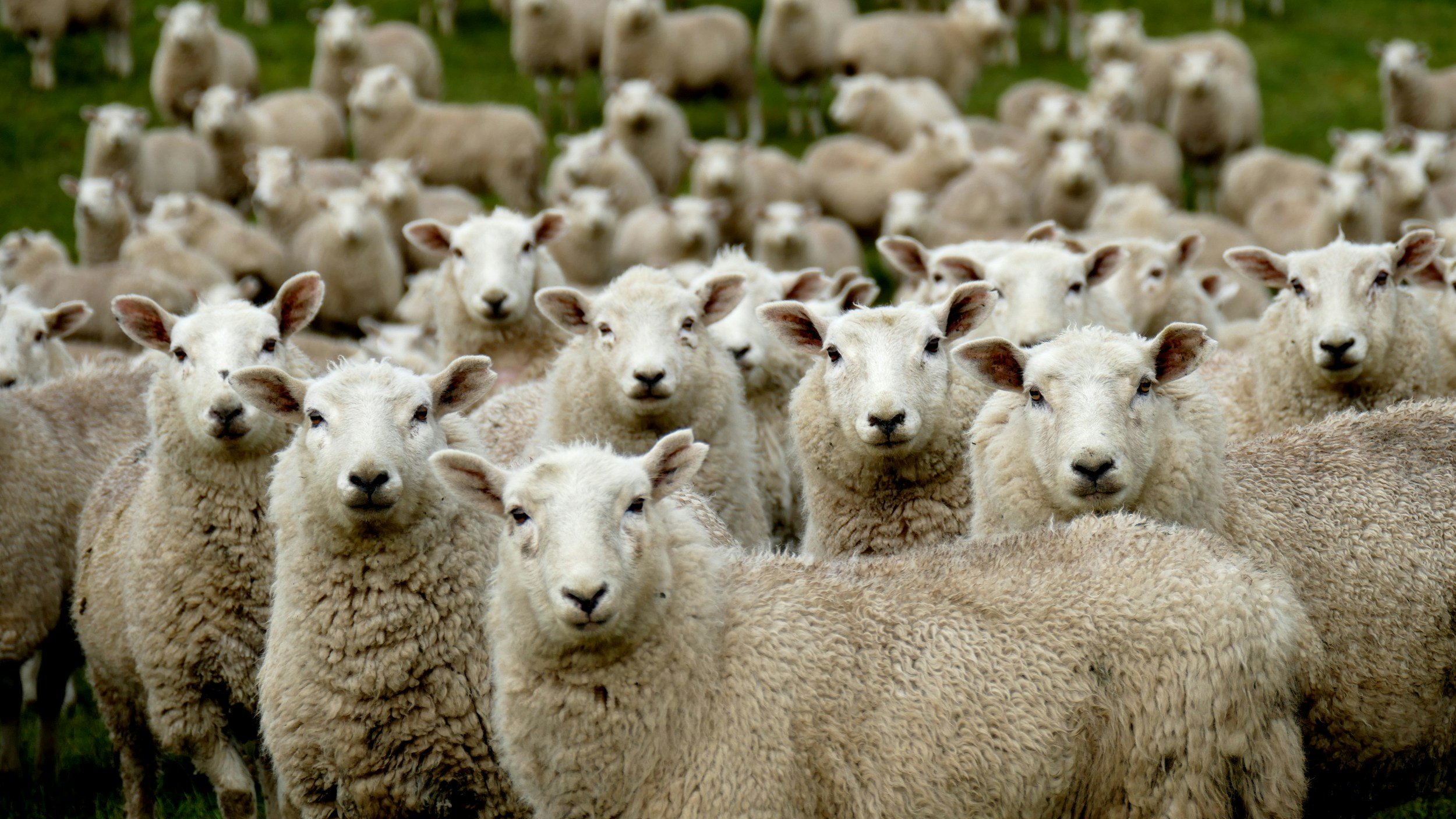
Processing fluency is not only visual or spatial. It also has a social dimension.
One common challenge in distillery tourism is the feeling of being herded through the experience. Fixed group pacing, strict timing, and limited autonomy can introduce subtle psychological friction.
Even when the content is excellent, visitors may find themselves focusing on group dynamics instead of the experience itself. They monitor when to move, where to stand, and whether they are holding up the group.
This additional cognitive load divides attention.
More flexible experiences often create stronger engagement. Self-paced sections, optional exploration points, and tasting stations where visitors can linger all help restore a sense of agency and control.
Autonomy reduces cognitive effort and encourages deeper interaction with the brand story.
For premium whisky, this matters. Craft, patience and care are central to the narrative of Scotch whisky. When the visitor experience feels rushed or rigid, it can feel more like a generic open-top bus tour and unintentionally conflict with that message.
How Fluency Shapes Flavour Perception

Perhaps the most intriguing aspect of processing fluency is its influence on sensory perception.
Visitors never taste whisky in isolation. Their environment shapes how the brain interprets aroma, flavour and mouthfeel sensations. When the surroundings feel comfortable and easy to navigate, cognitive resources are freed up for sensory attention.
Research in sensory psychology shows that environments which reduce mental effort can increase reported enjoyment and perceived quality. In practical terms, this means visitors are more likely to describe a whisky as smooth, balanced or refined when the surrounding experience feels effortless.
Conversely, environments that create friction, e.g. confusing layouts, crowded spaces or information overload, can subtly reduce sensory enjoyment. For premium brands, this interaction between environment and perception is strategically important. A well-designed visitor experience doesn’t just communicate quality; it can actively enhance how the whisky is perceived.
Why Fluency Matters Commercially
Processing fluency is not simply about making visits pleasant.
It has tangible commercial implications.
Visitor centres that feel intuitive tend to hold attention for longer. Guests spend more time engaging with displays, asking questions, and exploring retail spaces. They feel more confident discussing the whisky with staff, and they leave with clearer memories of the brand story.
These factors translate directly into measurable outcomes:
• Longer dwell time in tasting and retail areas
• Greater confidence during purchase decisions
• Stronger recall of brand narratives
• Increased likelihood of recommendation and repeat visits
In essence, fluency amplifies the commercial impact of the visitor experience.
Designing for Fluency: Practical Steps
Improving processing fluency does not necessarily require major capital investment. Often, the biggest gains come from small but deliberate adjustments.
Distillery leaders can begin by auditing the visitor journey, a process that can be enhanced with the help of someone who understands how the brain works.
This can identify moments where visitors hesitate or become uncertain. Examine signage, transitions between rooms, and areas where groups tend to bunch together. Simplify visual language wherever possible and ensure storytelling follows a clear narrative arc.
Introducing self-paced elements within tours can also have a significant effect. Allowing visitors moments of autonomy helps preserve attention and deepens engagement with the brand.
Even subtle changes such as repositioning a display, shortening a block of text, or introducing a visual anchor that clarifies the flow of a room, can dramatically improve the overall experience.
Designing for the Brain

Distillery visitor centres are often designed primarily as architectural or marketing spaces.
But in reality, they are cognitive environments.
Every element of the experience interacts with how the brain processes information. When these elements align to create fluency, the result is visitor attraction design that feels effortless, memorable and persuasive.
Brands that design with the brain in mind gain a quiet but powerful advantage in experiential branding. Visitors may not consciously recognise why the experience feels so compelling, but they remember the feeling, and that feeling becomes part of the brand.
Processing fluency is therefore far more than a theoretical concept. It is a practical design principle that can strengthen storytelling, enhance sensory perception and ultimately increase commercial impact. In this respect, it should also be a component part of whisky ambassador training.
For distillery leaders seeking to elevate their visitor experiences, the question is not simply how impressive the building looks.
It is how effortlessly the brain can move through it.
Turning Insight into Advantage
Understanding processing fluency is one thing. Designing environments that harness it is another.
At The Sensory Advantage, we work with distilleries, drinks brands, brand experience agencies, and experiential event companies to analyse visitor experiences through the lens of sensory science and cognitive psychology. By identifying hidden friction points and redesigning key moments of engagement, it is possible to transform how visitors perceive, remember and value a brand.
Because the most powerful experiences are not always the most elaborate.
They are the ones the brain finds easiest to fall in love with.