
Your Mug Is Changing the Taste of Your Coffee
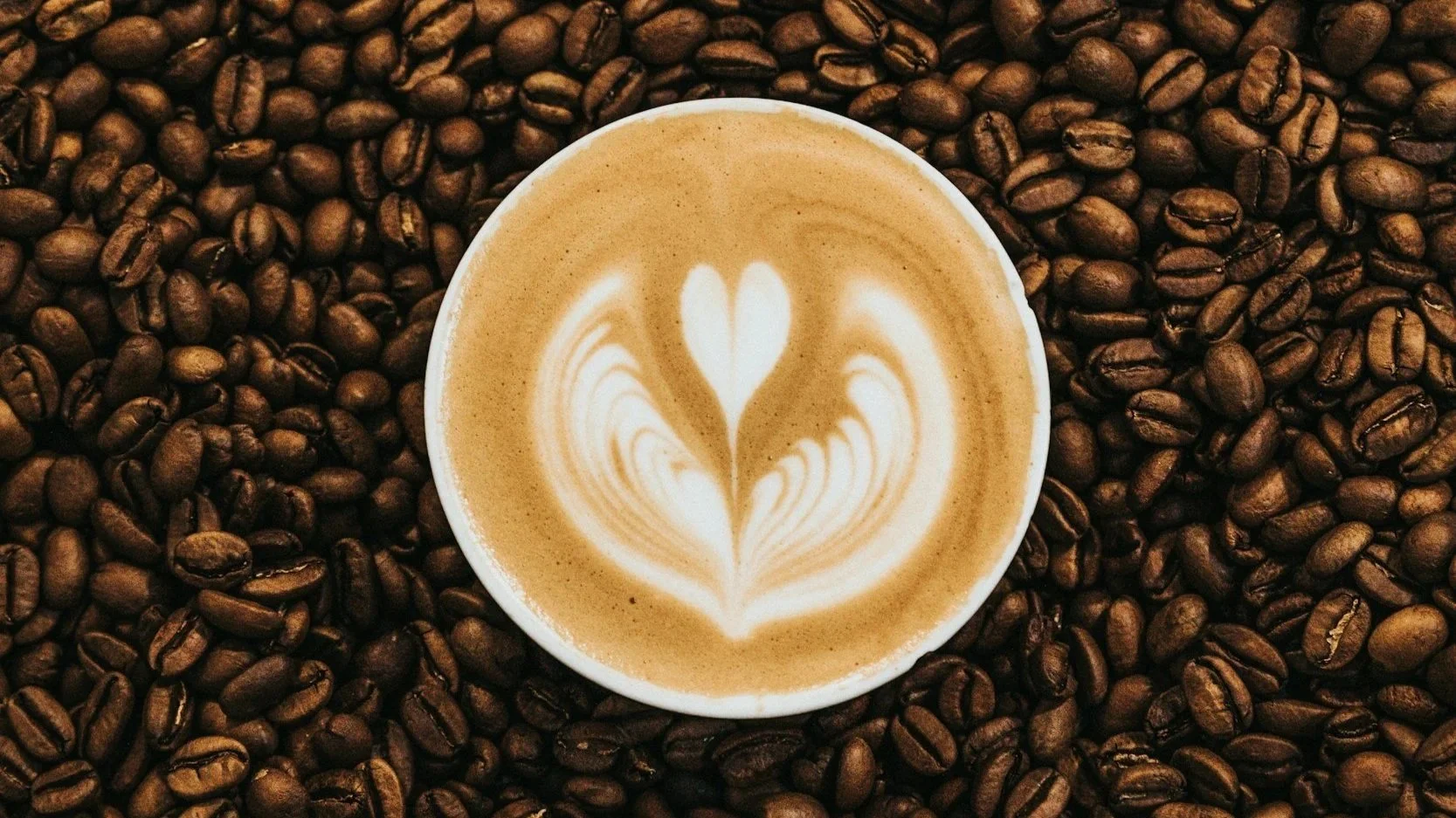
In specialty coffee, enormous effort goes into controlling flavour. Roasters refine profiles, baristas calibrate extraction, and cafés invest heavily in high-end equipment. Yet one element of the sensory experience is often treated as an aesthetic consideration or branding, rather than a component of flavour itself.
Research in multisensory perception suggests that this may be a mistake. The vessel that holds a drink is not simply a neutral container. Its colour, weight, material, and shape can subtly alter how the coffee itself is perceived. For cafés and coffee brands, that means cup design is not merely a design choice. It is part of the flavour experience delivered to the customer.
Colour of the cup
One of the most widely cited studies examining this effect looked at whether the colour of a mug could influence how coffee tastes. In the experiment, participants drank the same café latte served in different coloured mugs and then rated the drink on attributes such as sweetness, bitterness, aroma, and flavour intensity.
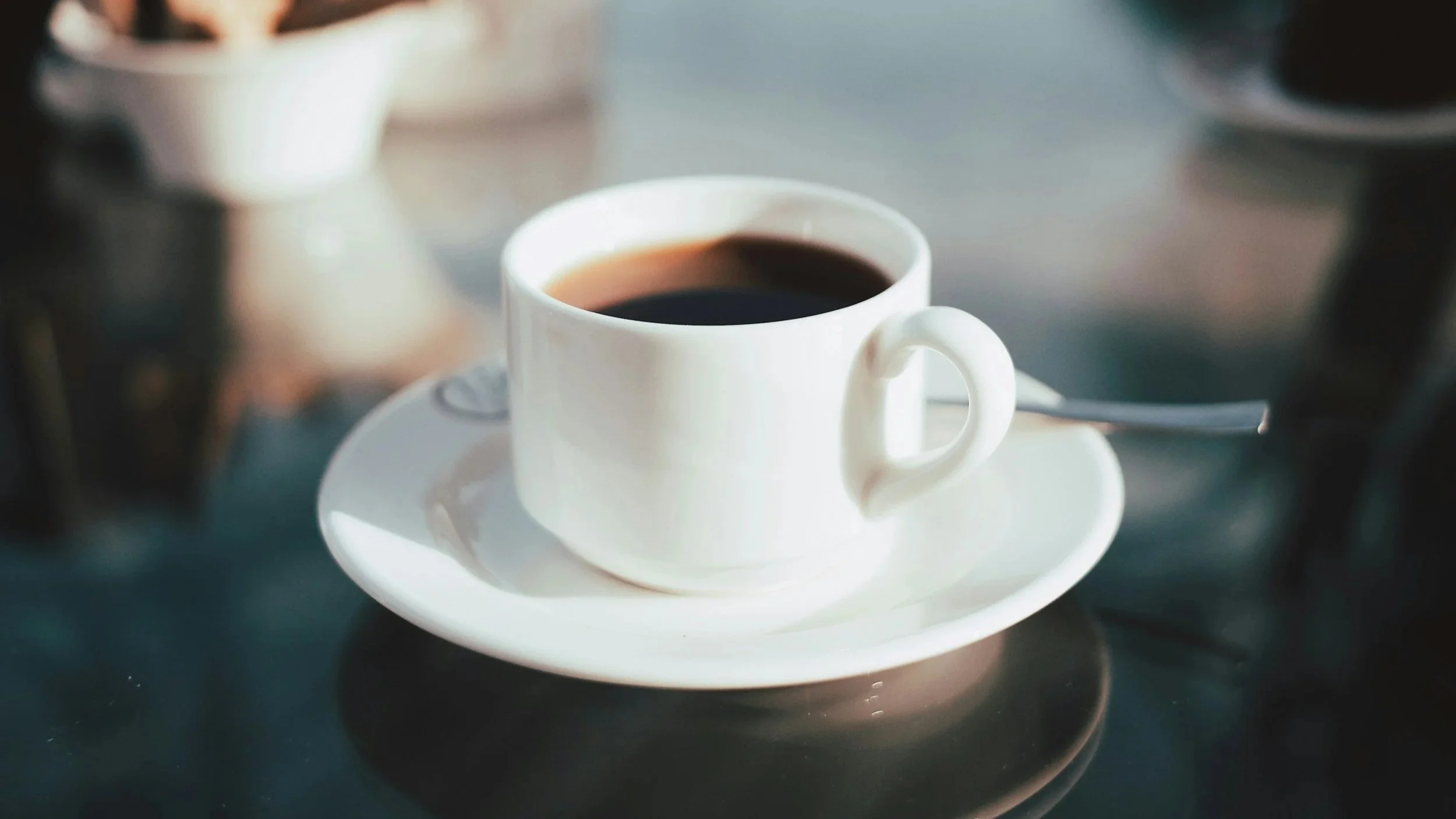
The results were surprising. Coffee served in a white mug was rated as having greater flavour intensity than when the same coffee was served in a transparent mug. In a follow-up experiment using identical glass mugs with coloured sleeves, the drink was rated as less sweet when served in the white mug compared with blue or transparent versions (Van Doorn, Wuillemin & Spence, 2014).
The coffee itself did not change. Only the visual context did.
The most plausible explanation lies in cross-modal perception. Our senses do not operate independently. Visual cues can influence how we interpret taste and aroma. In this case, the white mug likely increases the visual contrast between the cup and the brown coffee. That contrast can make the liquid appear darker or more intense, and darker coffee is commonly associated with stronger, more bitter flavour. In other words, the mug changes how the brain interprets what the palate experiences.
The study itself has limitations. The sample sizes were small, and the effect varied between measured attributes such as intensity and sweetness. However, the broader conclusion is consistent with a growing body of research in sensory science. That is, contextual cues surrounding food and drink can shape flavour perception. But colour is only one dimension. Other physical qualities of the cup also influence the sensory experience.
Cupware is part of the product
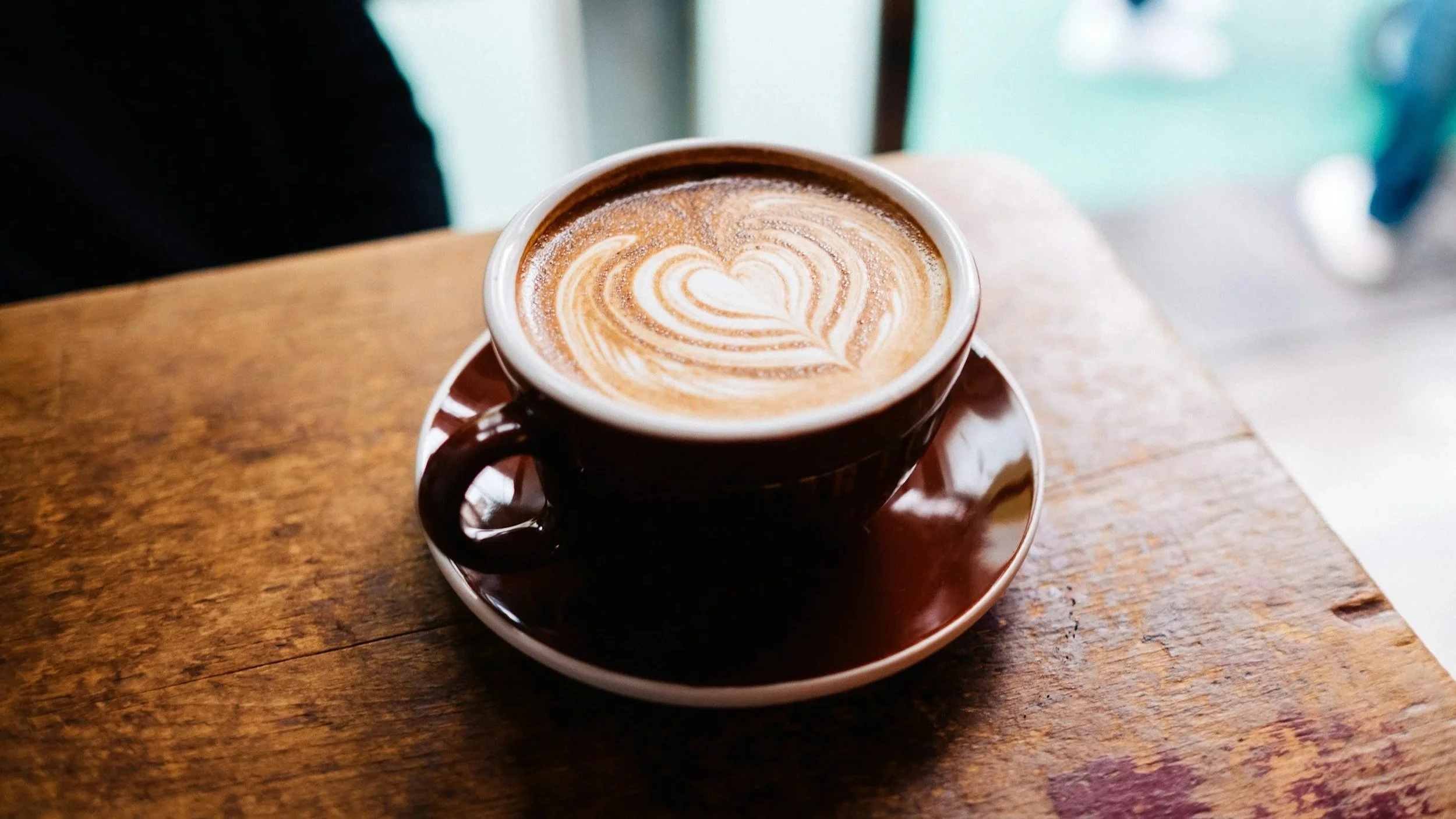
A 2018 study demonstrates that cup geometry alone can alter how coffee is experienced. Using three cup shapes (tulip, open, and split) and a large participant sample of 276, the researchers found statistically significant differences in perceived aroma, sweetness, acidity, and overall liking, even though the coffee itself remained identical. Aroma ratings were highest in the tulip-shaped cup, while sweetness and acidity were perceived as stronger in the split design (Carvalho & Spence, 2018).
A key contribution of the study is that it situates multisensory cup research within a specialty coffee context rather than relying on laboratory-style experiments or wine analogies. Participants included both experts and non-experts attending a specialty coffee event, allowing the researchers to examine whether training alters susceptibility to contextual cues. The findings suggest that expertise does not eliminate vessel effects; trained tasters were still influenced by the cup shape.
The study also broadens the discussion beyond purely psychological expectation effects of colour which largely demonstrate visual bias. As we have seen, white cups can make coffee taste more bitter due to learned associations. Cup shape introduces additional mechanisms such as how vessel geometry may affect aroma concentration, airflow, drinking posture, lip contact, and headspace volume. These physical characteristics can plausibly change how volatile compounds reach the nose during drinking, suggesting that container design may influence both perception and aroma delivery.
There are limitations. The experiment was conducted in a public tasting environment rather than a tightly controlled laboratory, and the study did not include chemical analysis to confirm how cup geometry altered aroma release. Multiple variables also changed simultaneously (rim diameter, depth, volume), making it difficult to isolate which specific feature caused the effect. Nevertheless, the paper reinforces a central insight for the coffee industry. The sensory experience of coffee emerges from the interaction between the beverage and its container.
A mug of opportunity
For coffee businesses, this creates an interesting opportunity. Much of the industry’s attention is focused on improving the intrinsic quality of the coffee itself, such as better sourcing, improved roasting, and more precise brewing. These factors are undeniably important. But the surrounding sensory context can amplify, or dampen, the perception of that quality.
A carefully chosen cup can therefore become a small but meaningful competitive advantage. It can reinforce brand identity, shape customer expectations, and subtly enhance perceived flavour. These choices influence the overall experience even when the liquid is identical.
This is particularly relevant for cafés competing in crowded specialty markets where product quality alone is no longer sufficient to stand out. Customers increasingly judge experiences holistically. The environment, context, service, storytelling, and presentation all combine to shape perception.
Coffee cupware sits directly within that system
For brand marketers and product developers, the implications extend even further. Packaging design has long been recognised as a driver of expectation and perceived quality. The same principle applies at the moment of consumption. The vessel through which the product is experienced becomes part of the brand itself.
That does not mean there is a single ‘correct’ cup for coffee. Different cup designs may reinforce different styles of experience. A minimalist glass vessel may suit a modern specialty café emphasising clarity and precision. A heavier ceramic mug might support a brand built around warmth and tradition.
The key point is intentionality. If the cup influences perception, then it deserves the same strategic attention given to roast profiles, menu design, or café interiors.
In practice, this is rarely considered systematically. Cup choices are often driven by durability, cost, or aesthetics rather than sensory impact. Yet research suggests that even modest changes to the presentation environment can alter how flavour is perceived.
For coffee professionals who spend years refining extraction parameters measured in seconds and grams, it is worth asking a simple question: can you afford to leave key influencing factors to chance?
Understanding how context shapes perception opens up a new layer of design within the coffee experience. And for businesses willing to think about flavour more holistically, that layer can become a powerful tool for differentiation.
Because the experience of coffee is not determined by chemistry alone. It emerges from the interaction between the drink, the environment, and the person experiencing it.
Design the environment well, including the cup, and the coffee may quite literally seem better. Get in touch to see how we can help you to transform such subtle cues into measurable competitive advantage.
References
Van Doorn, G., Wuillemin, D., & Spence, C. (2014). Does the colour of the mug influence the taste of the coffee? Flavour.
Carvalho, F. M., & Charles Spence. (2018). The shape of the cup influences aroma, taste, and hedonic judgements of specialty coffee. Food Quality and Preference.